The “Liquid Gold” of the AI Era!

Liquid cooling technology is becoming the major trend in the evolution of AI computing power.
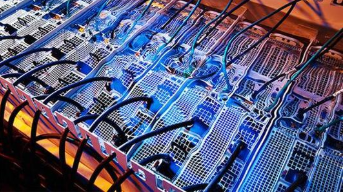
At present, most global data centers still rely on air cooling for temperature control. However, with the rapid growth of AI and the surging demand for computing power, the power density of AI servers and GPU chips has increased significantly—beyond the limits of traditional air-cooling systems.
As we know, data center equipment generates massive amounts of heat during operation, and insufficient cooling can directly affect the performance of AI servers. Compared with air cooling, liquid cooling offers much faster and more efficient heat dissipation, making it ideal for large-scale data centers and intelligent computing hubs.
It’s safe to say that liquid cooling is the inevitable trend in the AI era. Recently, NVIDIA CEO Jensen Huang announced that all future NVIDIA products will transition from air cooling to liquid cooling.
In this new era, traditional air-cooling technology can no longer meet the demanding thermal management needs of high-performance servers. The entire industry is moving toward a full-scale transformation—from air cooling to liquid cooling.
According to market forecasts, by 2024, the liquid-cooling adoption rate in newly built data centers of China’s three major telecom operators is expected to reach 10%. By 2025, that figure may soar to 50%.
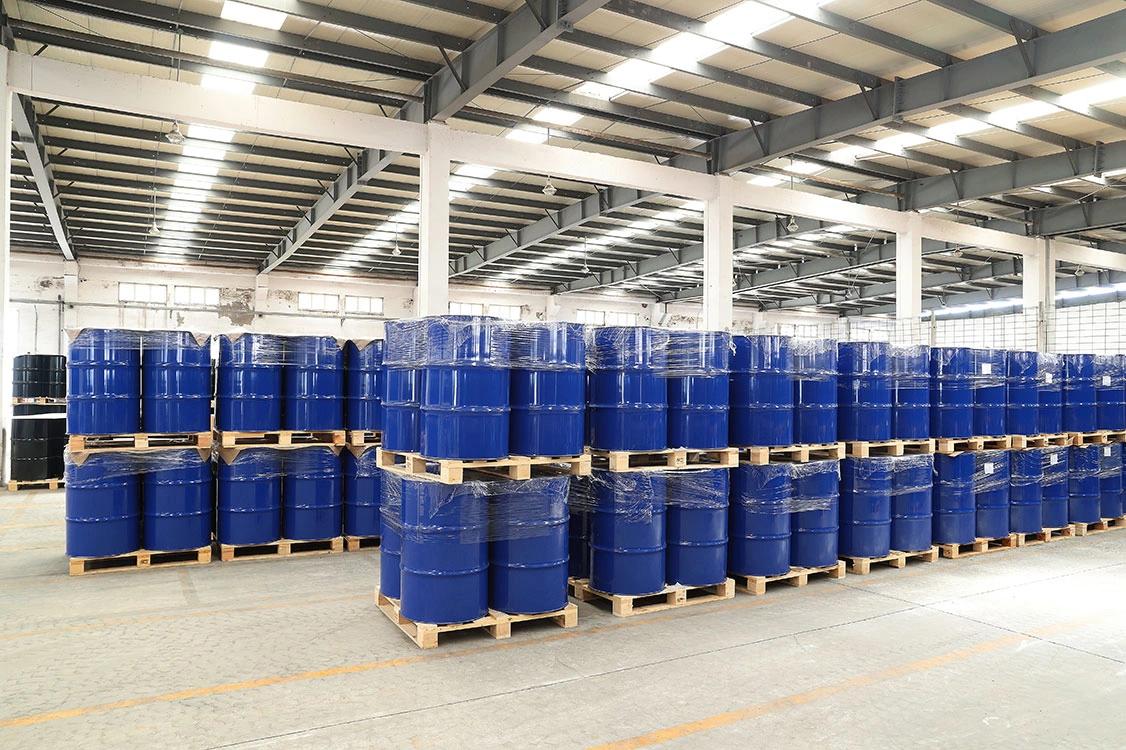
As the construction of domestic liquid-cooled data centers accelerates, the demand for upstream key raw materials—cooling fluids—is expected to surge dramatically. This cooling fluid, often referred to as the “liquid gold” of the AI era, is none other than electronic fluorinated liquid.
Introduction to Perfluoropolyether (PFPE)
Analysis of China’s Fluorochemical Industry in 2025: Current Market Situation and Future Development Prospects (with Charts)