Electronic Nanocoatings: Characteristics, Applications, and Development Prospects
Nanocoating technology, which emerged as a high-tech innovation in the 1990s, has been gradually penetrating various industries. Among them, electronic nanocoatings play a key role in enhancing the performance and extending the service life of electronic products. This article elaborates on the characteristics, applications, and development prospects of electronic nanocoatings.
Electronic nanocoatings are coating materials produced using nanotechnology, typically with a thickness in the nanometer range (1–100 nm). These coatings exhibit excellent physical, chemical, and mechanical properties, such as high hardness, wear resistance, corrosion resistance, insulation, and superhydrophobicity.
Characteristics of Electronic Nanocoatings
Electronic nanocoatings can form a dense protective film that effectively isolates external corrosive media, improving the waterproofing, moisture resistance, oil resistance, dust resistance, corrosion resistance, and rust prevention of electronic products. In addition, nanocoatings are ultra-thin, transparent, highly protective, and efficient in heat dissipation. They have little impact on the appearance and tactile feel of electronic products while significantly extending their lifespan.
Applications of Electronic Nanocoatings
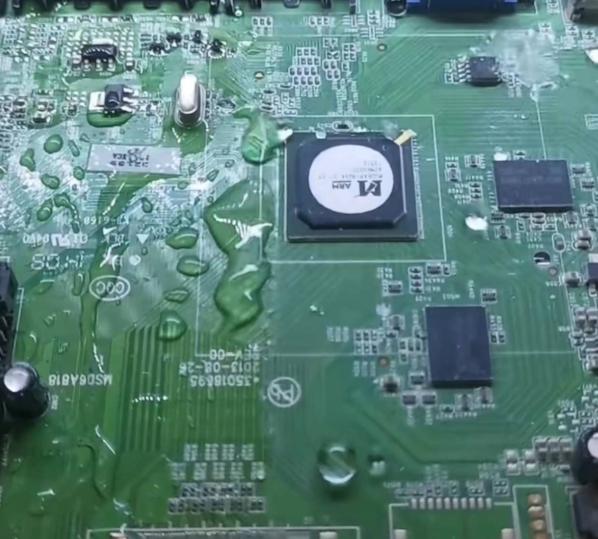
Printed Circuit Boards (PCBs): Nanocoatings can form a dense protective layer that isolates harmful factors such as moisture, dust, and static electricity, preventing damage to electronic components on circuit boards and improving the reliability and stability of electronic devices.
Display Screens: Nanocoatings enhance the hardness, wear resistance, and anti-fingerprint properties of screens, reducing scratches and fingerprint residue while improving screen clarity and display performance.
Electronic Components: For components such as semiconductor chips, capacitors, and resistors, nanocoatings improve heat dissipation, insulation, and corrosion resistance, ensuring stable operation of the electronic parts.
Automotive Electronics: Electronic devices and sensors within vehicles often operate in complex and variable environments, making them vulnerable to moisture, dust, and corrosive gases. Nanocoatings form a robust protective layer on these components, effectively preventing intrusion by harmful substances and enhancing the reliability and durability of automotive electronics.
Development Prospects of Electronic Nanocoatings
With technological progress and increasing consumer demand for product quality, the development prospects of electronic nanocoatings are extremely promising. Nanocoating technology is expected to see broader applications and greater growth potential. Its use is continuously expanding into emerging fields such as new energy, biomedicine, and environmental protection, creating new growth opportunities for the industry. Meanwhile, with the deepening of industrial chain collaboration, technological innovation, and market expansion, China’s electronic nanocoating industry is poised to strengthen its international competitiveness and provide the global market with higher-quality products and services.
Electronic Fluorinated Liquids: An Innovative Choice for High-Performance Electronic Cooling and Insulation
Domestic Fluorinated Liquids: Ushering in a New Era of High-End Applications
Artículo relacionado