TUW-770 Fluorinated Fluid
TUW-770
A 95 °C perfluorinated fluid with 1.9 dielectric constant, >40 kV dielectric strength and a −127 °C pour point, for supercomputer and high-voltage insulation cooling. Alternative to 3M Fluorinert FC-770.
Quantity:
[Overview]
TUW-770 Fluorinated Fluid is a perfluorinated liquid with a 95 °C boiling point, a dielectric constant of 1.9, more than 40 kV dielectric strength and a −127 °C pour point. That combination defines where it wins: high-voltage electrical cooling that demands extreme insulation, and thermal-shock testing that cycles between deep cold and close to 100 °C.
The perfluorinated chemistry is inert toward metals, plastics and elastomers and forms no acidic species at high temperature, which suits closed loops that run for years. TUW-770 Fluorinated Fluid serves single- and two-phase cooling of supercomputers and sensitive military electronics, and constant-temperature duty on etch, implant and CVD tools. It is an alternative to 3M Fluorinert FC-770.
[Key Properties]
- Boiling point: 95 °C
- Pour point: −127 °C
- Density (25 °C): 1.79 g/mL
- Kinematic viscosity (23 °C): 1.4 mm²/s
- Surface tension: 15 mN/m
- Dielectric constant: 1.9
- Dielectric strength: >40 kV
- Specific heat (25 °C): 1.38 J/(g·°C)
- Flash point: None
- Average molecular weight: 399
[Typical Applications]
1. Supercomputing and defence electronics — Single- and two-phase immersion cooling for high power-density servers, radar and electronic-warfare equipment.
2. High-voltage insulation — Transformers, high-power supplies and pulsed-power systems — insulation and heat rejection.
3. Semiconductor tool thermal control — Etch, implant and CVD chambers, plus RF power supplies, on closed cooling loops.
4. Thermal shock and test — Transfer medium for shock tests starting at −127 °C, insulation testing and thermal-vacuum testing.
[Handling & Compatibility]
TUW-770 Fluorinated Fluid is compatible with virtually all metals and polymers, contains neither chlorine nor hydrogen, and so cannot generate HCl or HF corrosion. At 1.79 g/mL it sinks when spilled — fit bunds and recovery sumps in machine rooms and equipment bays.
The fluid is non-flammable with no flash point and is not dangerous goods, but its vapour is heavier than air, so test oxygen levels before entering confined spaces. Check gas tightness and moisture before first fill; moisture is the main cause of falling dielectric strength. Distil spent fluid for reuse and dispose of residue through a licensed contractor.
For immersion retrofits, allow 8–12 L of circulating fluid per kW of heat load, specify FFKM seals at joints, and avoid plasticised hose. Monitor insulation resistance for 24 hours before energising — it should hold above 10¹² Ω — then re-test every six months.
[Packaging & Availability]
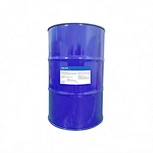
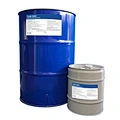
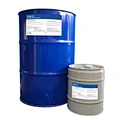
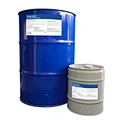
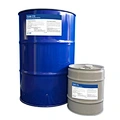
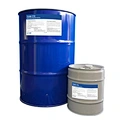
25 kg pails and 250 kg drums, with 5 L and 20 L trial packs. Stocked in South China and shipped with TDS, SDS and COA.