Amid the Fluorinated Fluid Production Shutdown Wave, How Can Domestic TUW 347/449/458 Take Over Precision Cleaning and Cooling?
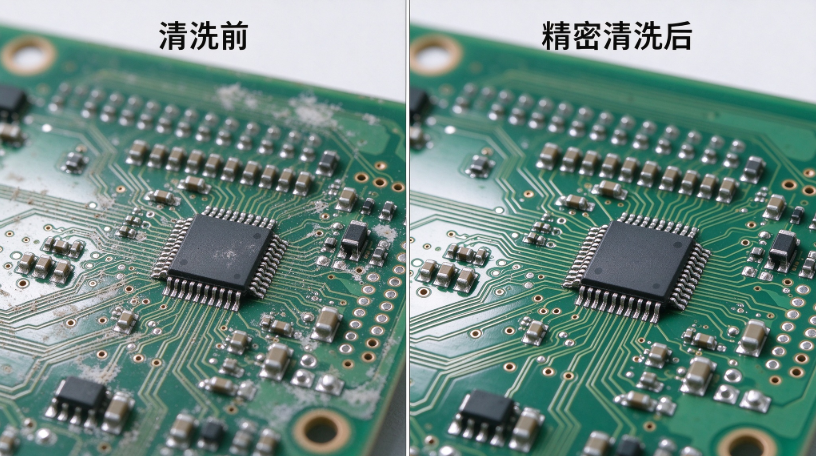
In recent years, international fluorinated fluid manufacturers have announced a gradual exit from PFAS (per- and polyfluoroalkyl substances) manufacturing, and their hydrofluoroether and perfluorocarbon liquid products have been discontinued or had production limited one after another. For electronics manufacturers that have long relied on imported fluorinated fluids, supply chain risk has shifted from a “long-term concern” to a “real problem.”
Once cleaning solvents and cooling media are cut off, production line continuity is directly affected; at the same time, compliance pressure is also increasing, and traditional high-GWP fluorides are gradually losing room for use. Finding a stable, compliant, and comparable alternative source has become a common challenge for the industry. Domestic hydrofluoroether TUW 347/449/458 is a representative solution rapidly filling this gap against this backdrop.
I. What Are TUW 347/449/458: Domestic Hydrofluoroether Electronic Fluorinated Fluids
Domestic TUW 347, 449, and 458 are electronic fluorinated fluids based on the hydrofluoroether (HFE) system. Their chemical nature is similar to imported models such as 7100/7200/7300. They are positioned for two major directions—precision cleaning and cooling—and can be used as direct replacements in most scenarios. They are a representative product portfolio in the wave of domestic substitution.
The three products belong to the same hydrofluoroether family, with similar physical properties and complementary uses. They can respectively cover scenarios with different cleanliness and process requirements, and can also be combined to form a complete media system—when cleaning requirements are high, prioritize the model with matching cleanliness; when cooling is the main purpose, choose the model with suitable thermal performance, achieving “selection by scenario.”
II. Core Characteristics of the Three Products
-
Environmental compliance: Zero ODP (ozone depletion potential) and low GWP, meeting increasingly stringent environmental regulations and carbon footprint requirements. This helps companies avoid compliance risks associated with high-GWP fluorides and clears environmental barriers for export-oriented products.
-
Safe and reliable: Non-flammable and low toxicity, with good operational and storage safety. It reduces workshop fire protection and occupational health risks, with particularly clear advantages when replacing flammable and explosive traditional solvents.
-
Good material compatibility: Good compatibility with metals, plastics, rubber, and electronic components. It does not damage workpieces or equipment during cleaning and cooling, reducing yield loss caused by media corrosion.
-
Fast evaporation, no residue: Evaporates quickly after cleaning and leaves no residue, suitable for precision parts and clean environments. It shortens process waiting time and improves production line takt time.
-
Good dielectric performance: It has a certain dielectric strength and can support insulation and energized application scenarios related to electronic fluorinated fluids.
III. Comparison with Imported/Traditional Media
| Comparison Dimension | Domestic TUW 347/449/458 (HFE) | Imported Fluorinated Fluids / High-GWP Fluorides |
|---|---|---|
| Supply stability | Domestic supply, timely response | Some models discontinued/production limited, uncertain lead times |
| Environmental compliance | Zero ODP, low GWP | High GWP, subject to PFAS regulations |
| Performance match | Similar physical properties to mainstream HFE, direct replacement in most scenarios | Mature but supply is tightening |
| Cost and response | Controllable, fast local service | Large price fluctuations, long procurement cycles |
IV. Main Application One: Precision Cleaning
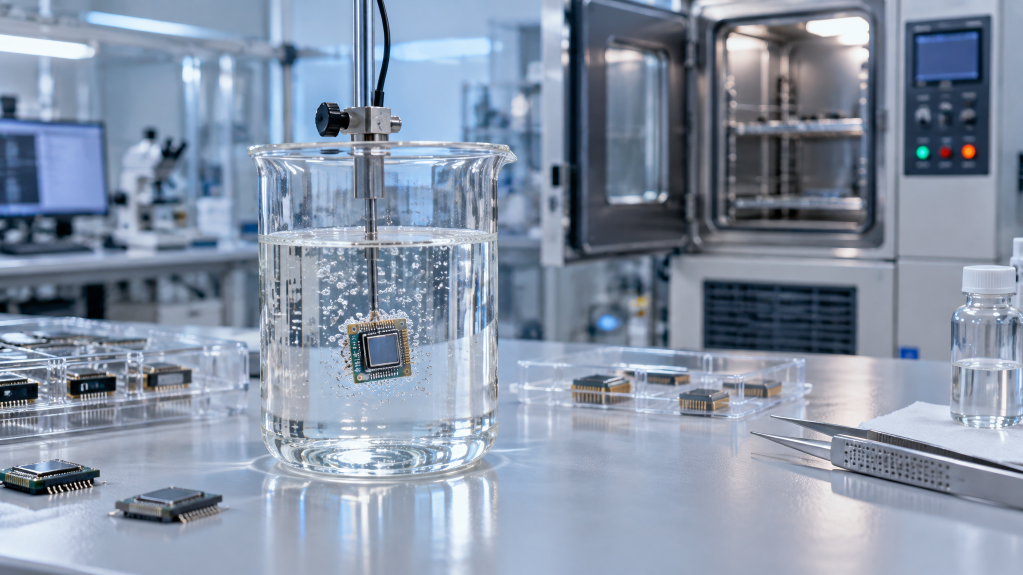
On the cleaning side, TUW 347/449/458 are used for precision cleaning of electronics, optical and medical components, and semiconductors. They can remove contaminants such as oil, flux residue, particles, and fingerprints. Their fast evaporation and no-residue characteristics make them suitable for various processes such as vapor degreasing, immersion, spraying, and ultrasonic cleaning. They can replace traditional chlorinated solvents and high-GWP fluorides and are an environmentally friendly choice for precision cleaning production lines. After cleaning, workpieces have high surface cleanliness and can directly enter subsequent assembly, coating, or packaging processes.
V. Main Application Two: Cooling and Thermal Management
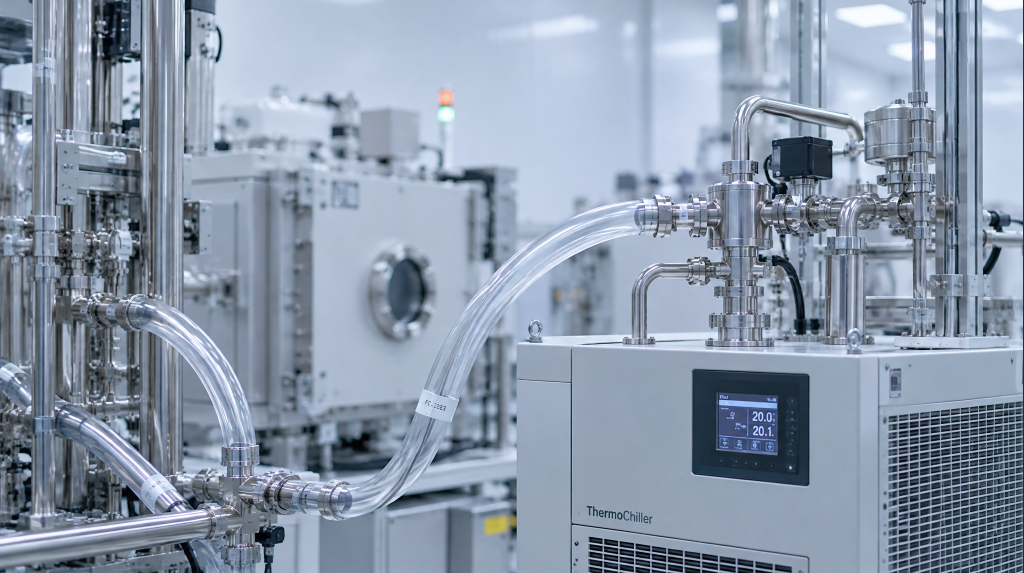
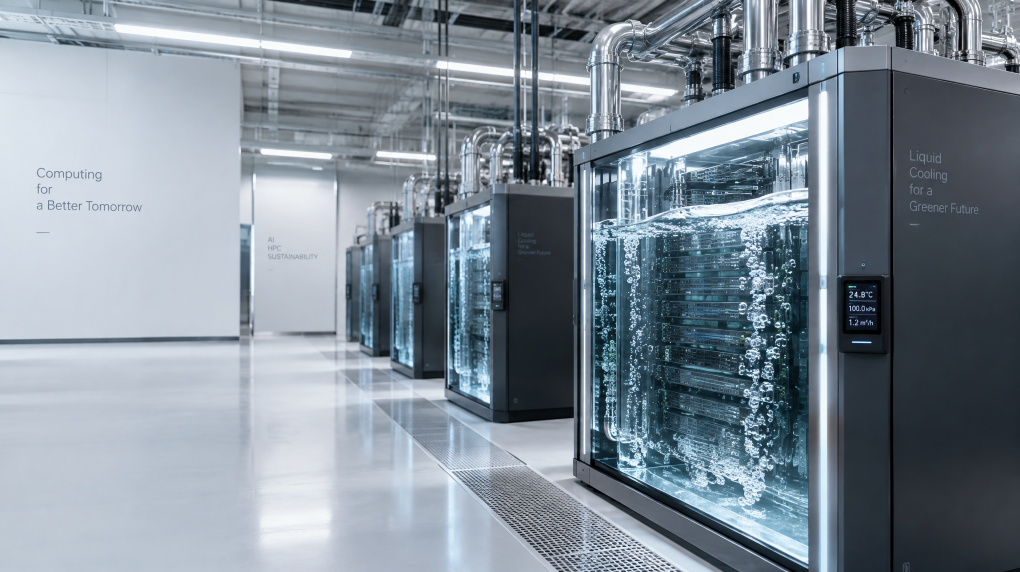
On the cooling side, all three products can be used as electronic fluorinated fluids for thermal management, such as temperature control of electronic equipment and constant-temperature media for testing, achieving “one fluid, two uses,” reducing material types and lowering overall costs. For workshops with both cleaning and cooling needs, one media system can cover both, simplifying procurement, warehousing, and quality control.
VI. Typical Application Scenarios
| Application Scenario | Role of the Medium |
|---|---|
| PCB and PCBA flux residue cleaning | Removes post-soldering residue, ensuring electrical reliability |
| Pre- and post-semiconductor packaging cleaning and dehydration | Removes particles and organic contamination, enabling rapid drying |
| Precision cleaning of optical lenses and medical components | Residue-free cleaning, ensuring cleanliness |
| Temperature control of electronic equipment and constant-temperature testing media | Stable temperature control, ensuring test consistency |
| Switching existing production lines from imported fluorinated fluids | Similar physical properties, reducing switching risk |
VII. Replacement Switching Recommendations
When switching to a domestic alternative, it is recommended to follow three steps:
-
Step 1: Compare physical property parameters: check and compare key indicators such as boiling point, viscosity, dielectric strength, and solubility, and select the model with the most similar molecular structure.
-
Step 2: Verify compatibility and performance: complete material compatibility and cleaning/cooling performance verification.
-
Step 3: Small-batch trial production: after confirming process stability, switch to mass production, and retain a parallel transition period.
Domestic hydrofluoroethers offer stable supply, timely response, and controllable cost, and are becoming an important choice for electronics manufacturers building independent supply chains.
Huayi Brothers TUW series can provide performance-benchmarked PFC and HFE alternative fluorinated fluids, covering applications such as precision cleaning, electronic temperature control, thermal shock testing, and leak detection, helping production lines ensure long-term supply chain stability amid the production shutdown wave. If you are looking for domestic alternatives for imported fluorinated fluids, or need selection and switching support for TUW 347/449/458, please contact Huayi Brothers at 15014124590 / 18870870567 to obtain technical documents, TDS/MSDS, and testing support.
FC-3283 Perfluorocarbon Fluid Full Analysis: Characteristics and Applications of a Temperature Control Medium for Semiconductor Equipment
Related Article