
Application Analysis of Electronic Fluorinated Fluid in Air Tightness Testing Equipment
2026-03-19
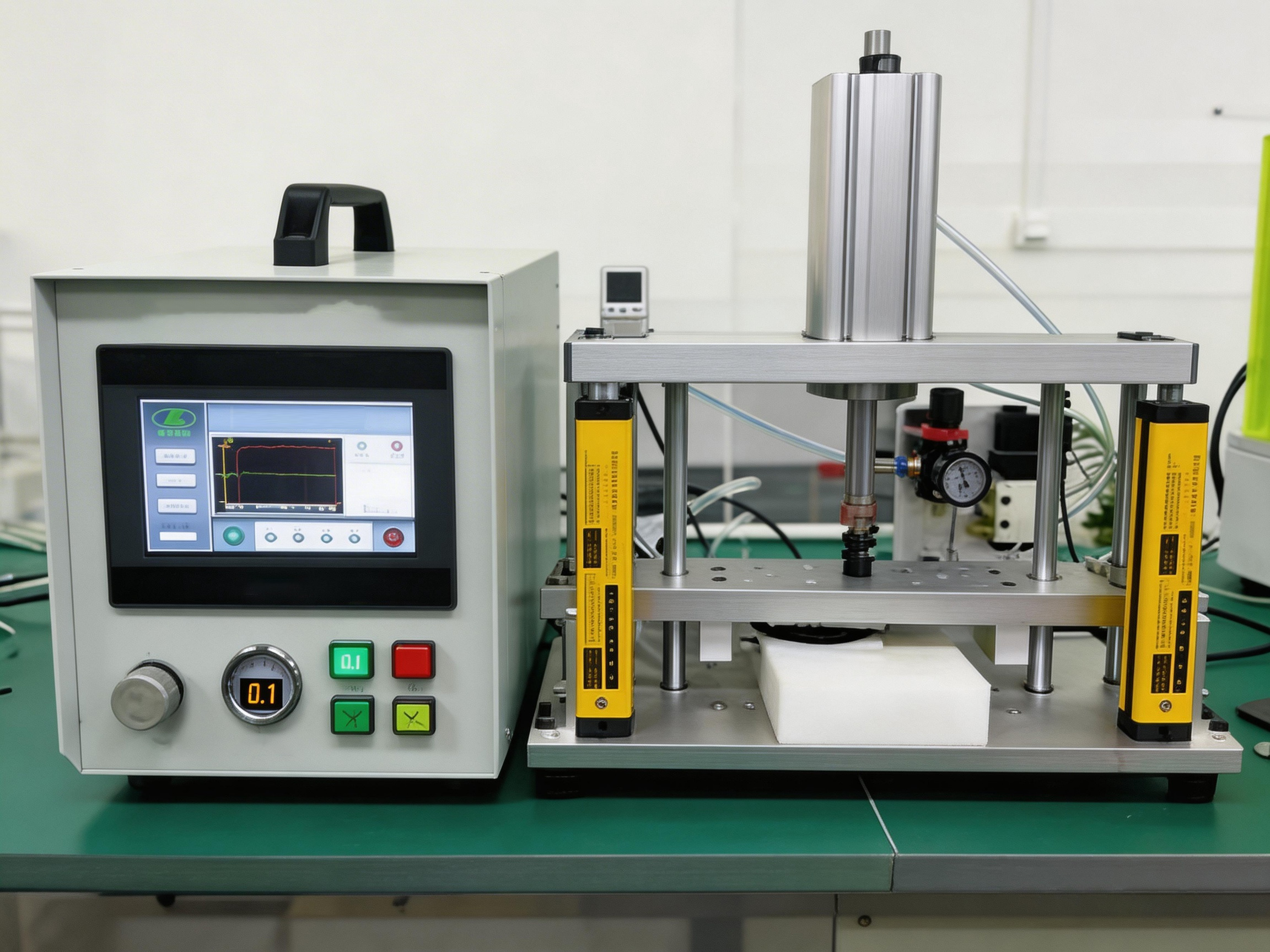
Core Working Principle: Precisely Capturing Leak Signals
The application of electronic fluorinated fluid in leak testing is based on three core principles, guaranteeing accuracy and reliability throughout the inspection process.
Pressure Change Monitoring
A specified pressure of gas is charged into the workpiece under test. After shutting off the gas source, a high‑precision pressure sensor monitors the pressure drop inside the workpiece within a defined time period. If leakage exists in the cavity under test, a pressure difference will appear between the two measurements. This difference directly reflects the leakage status of the workpiece during the testing cycle, allowing inspectors to quickly evaluate its sealing performance.
Differential Pressure Principle
The test object and a non‑leaking standard reference are pressurized simultaneously, and their pressure difference is compared via a differential pressure sensor. This method effectively eliminates the influence of temperature fluctuations on test results, achieving an accuracy of ±0.1% FS. It is particularly suitable for high‑precision applications such as precision electronic components and medical devices.
Empowerment by Physicochemical Properties
Electronic fluorinated fluid features low surface tension, high permeability, volatility, and non‑residue characteristics.
- Low surface tension enables better penetration into micro‑gaps, improving detection sensitivity and accuracy.
- High permeability ensures the fluid reaches deep inside the workpiece, fully inspecting potential leak points.
- Volatility and non‑residue properties prevent contamination or damage to the tested workpiece.Meanwhile, its excellent chemical stability avoids corrosion or deformation of the workpiece, ensuring operational safety.
Wide Application Scenarios: Covering Multi‑Industry Testing Needs
With its superior performance, electronic fluorinated fluid has been widely used in leak testing across many industries, safeguarding product quality in diverse fields.
Electronic Components
In electronic manufacturing, leak testing of ICs, LSIs, and other electronic devices is critical. Electronic fluorinated fluid accurately detects micro‑leaks, ensuring stable operation in complex environments and enhancing product reliability.
Optical Instruments
In helium leak detection for optical instruments, electronic fluorinated fluid serves as an ideal detection medium. It quickly and precisely locates leaks, preserving the sealing integrity and optical performance of the equipment.
Automotive Components
The tightness of automotive engine blocks, fuel tanks, engine parts, and other components directly affects vehicle performance and safety. Electronic fluorinated fluid enables high‑precision testing, identifying leaks in advance to ensure driving safety and reliability.
Medical Devices
The sealing performance of puncture devices, medical tubes, and other medical devices is critical to patient safety. Electronic fluorinated fluid performs rigorous leak testing, ensuring zero leakage during use and protecting patients.
Aerospace Components
Aerospace components have extremely high sealing requirements; even minor leaks can lead to severe consequences. Electronic fluorinated fluid meets their high‑precision testing demands, providing reliable support for the aerospace industry.
Unique Advantages: Surpassing Traditional Testing Media
Compared with traditional media such as compressed air and water, electronic fluorinated fluid offers distinct advantages, making it an ideal choice for leak testing.
High‑Precision Detection
Low surface tension and high permeability allow detection of extremely small leaks that traditional media may miss, ensuring full accuracy.
Non‑Residue and Non‑Contaminating
It evaporates completely without residue, avoiding contamination or damage. Unlike water, which leaves marks and may affect appearance and performance, electronic fluorinated fluid maintains workpiece cleanliness.
Excellent Chemical Stability
Compatible with most metals, plastics, and rubbers without causing corrosion or deformation, unlike some traditional media that may react adversely with materials.
Safe, Eco‑Friendly, and Reliable
Non‑flammable and non‑conductive for safe operation. It has zero ozone depletion potential (ODP) and a low global warming potential (GWP), complying with environmental regulations.
Wide Applicability
Highly versatile for various leak testing equipment and workpieces, from small electronic parts to large aerospace components.
Standard Usage Method: Ensuring Standardized and Efficient Testing
Standard operating procedures and precautions must be followed to ensure accurate and reliable results when using electronic fluorinated fluid in leak testing equipment.
Operating Procedures
-
Pre‑Test PreparationEnsure stable ambient temperature and minimal air disturbance. Check power and gas connections, and confirm pressure meets requirements. Select appropriate fixtures, seals, and tubing based on the test object’s interface, ensuring tight and leak‑free connections. Clean test interfaces to remove impurities.
-
Parameter SettingSet key parameters on the leak tester per product specifications or standards: test pressure, charging time, stabilization time, testing time, and pass/fail thresholds for leakage rate or pressure decay.
-
Test ExecutionMount the test object on the fixture and start the program. The instrument automatically completes gas charging, stabilization, testing, and venting. Monitor pressure or flow curves to verify sealing performance.
-
Result AnalysisThe instrument displays “Pass” or “Fail” with measured leakage rate or pressure change. Record results and mark non‑conforming products.
Precautions
- Avoid over‑pressurization beyond rated limits to prevent workpiece damage.
- Monitor test curves: abnormal signals (sudden pressure drops, continuous slow decline) require immediate shutdown and inspection.
- Calibrate regularly using standard leak holes to maintain long‑term measurement accuracy.
- Wear protective clothing, gloves, goggles, and masks to avoid skin contact or vapor inhalation.
Scientific Selection Recommendations: Matching Customized Testing Needs
When selecting electronic fluorinated fluid, multiple factors must be considered to meet actual testing requirements.
Clarify Application Scenarios
Different applications demand distinct performance:
- Electronic cleaning requires low surface tension, high permeability, volatility, and non‑residue.
- Heat dissipation/cooling needs high thermal conductivity, high boiling point, and chemical inertness.Define the scenario to choose the appropriate grade.
Focus on Key Chemical Properties
- Boiling point: High for high‑temperature environments; low for fast‑evaporation applications.
- Surface tension: Low for cleaning or penetration to access micro‑gaps.
- Dielectric constant: Low for high‑frequency electronics to minimize signal loss.
- Chemical stability: Resistant to strong acids/alkalis and oxidation, non‑reactive with process gases.
- Purity and residue control: Semiconductor‑grade requires metal impurities ≤1 ppt and strict particle control; non‑residue verifiable via GC or MS.
Conduct Material Compatibility Testing
Verify compatibility with metals, polymers, etc., to prevent corrosion or damage. Evaluate compatibility through sample testing.
Prioritize Environmental and Safety Compliance
Select products free of controlled substances such as PFAS/PFOA, with low toxicity, low volatility, and low GWP, meeting environmental regulations.
Consider Cost and Lifecycle Management
Evaluate usage cost, recyclability, and waste disposal for cost‑effectiveness. Optimize lifecycle to improve resource efficiency and reduce operational costs.
Strict Safety Specifications: Ensuring Safe and Eco‑Friendly Operation
Strict safety and environmental protocols must be followed during the handling and use of electronic fluorinated fluid.
Storage Conditions
Store in a cool, dry area away from direct sunlight and high humidity to prevent decomposition. Keep containers tightly sealed and minimize opening to avoid contact with moisture and airborne chemicals.
Pre‑Operation Preparation
Operators must wear proper protective clothing, gloves, goggles, and masks. Work in well‑ventilated areas away from ignition sources. Keep the zone clean and free of flammable materials.
Operation Process
Ensure electronic devices are clean, dry, and free of oil or dust. Pour fluid into dedicated cooling tanks or containers to avoid splashing. Submerge devices slowly. Monitor operating temperatures and cooling performance regularly.
Post‑Use Treatment
Recover used fluid to prevent environmental discharge. Clean and dry devices thoroughly after removal. Rinse and properly dispose of containers to avoid residual contamination.
Safety Notes
In case of skin contact, flush with plenty of water and seek medical attention. Operators should be familiar with emergency procedures. Follow all manufacturer instructions and safety guidelines.
Environmental Requirements
Choose low‑volatility, recyclable grades meeting international eco‑standards. Promote recycling to reduce waste and pollution. Regularly monitor equipment and working environments to ensure safe impact levels.
Conclusion
The application of electronic fluorinated fluid in leak testing equipment delivers high‑precision, high‑efficiency, safe, and eco‑friendly testing solutions across industries. With ongoing technological progress and expanded applications, electronic fluorinated fluid will play an increasingly vital role, driving the high‑quality development of the industrial manufacturing sector.
3M FC-3284: The Ideal Choice Balancing Performance and Cost, Empowering High-End Manufacturing with Efficient Cost Reduction
3M Fluorinert™ Electronic Fluids and Novec™ Electronic Engineering Fluids: Redefining Standards for Thermal Management and Precision Manufacturing in the Electronics Industry
Related Article

Traditional PCB conformal coating is thick, leaves BGA areas uncovered, and damages pads during rework. This article compares TUW-2704 and TUW-1700 fluoropolymer ultra-thin coatings on film thickness, rework, and protection, and provides selection guidance for NEV electronic control and consumer PCBs.
PCB Nano Conformal Coating Selection: TUW-2704 & TUW-1700 vs. Traditional Conformal Coating
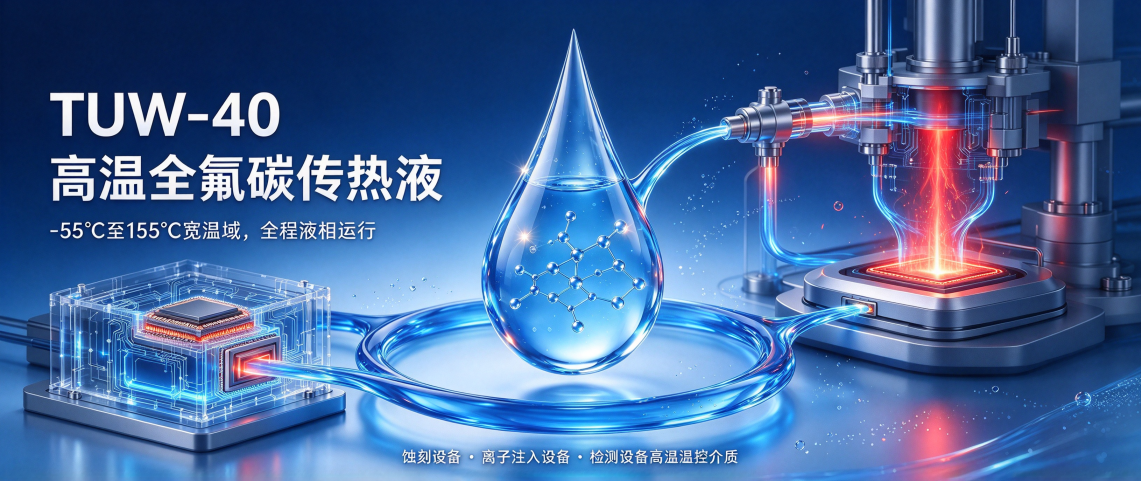
TUW-40 is a single-component perfluorinated heat-transfer fluid covering a liquid range of -55°C to 155°C. With a high boiling point and extremely low evaporation, it is designed for temperature control in etching equipment, ion implantation equipment, and inspection tools. This article details its physical properties, application scenarios, and positioning within the TUW series.
TUW-40 High-Temperature Perfluorocarbon Fluid: -55°C to 155°C Wide Temperature Range — Temperature Control for Etching and Ion Implantation High-Temperature Operations
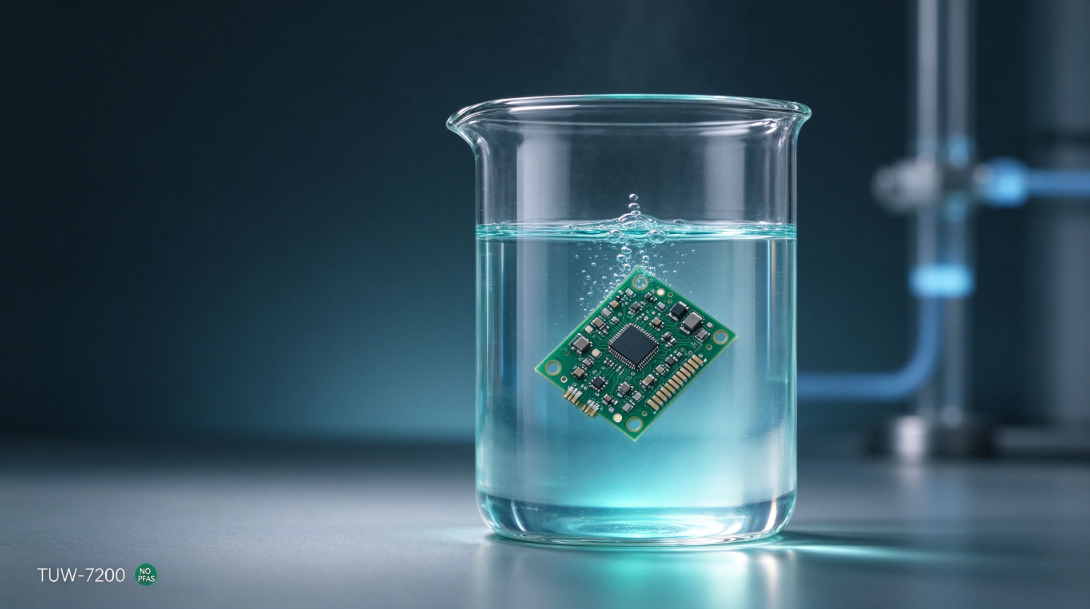
TUW-7200 is a thermally stable perfluorinated liquid that can be used as an electronic cleaning agent, precision cleaner, grease cleaner, cooling medium, hermeticity test fluid, thermostatic fluid, and extraction solvent. This article details its six uses and NO PFAS environmental attributes, and provides guidance on selecting a domestic alternative.
TUW-7200 Electronic Fluorinated Fluid: Precision Cleaning, Hermeticity Leak Testing, Thermostatic Bath — One Fluid for Three Uses, NO PFAS Domestic Alternative

TUW-347 and TUW-458 are two hydrofluoroether (HFE) eco-friendly solvents commonly used for cleaning, drying, dust removal, and non-condensable gas elimination. TUW-458 can also serve as a synthesis feedstock and electrolyte additive. This article details the chemical identities, technical parameters, application scenarios, and selection differences between the two products.
HFE Eco-Friendly Solvents TUW-347 & TUW-458: The "Invisible Assistants" for Drying, Dust Removal, and Non-Condensable Gas Elimination