
Cut Rework Costs by 30%: Nano Conformal Coating Wins Over R&D & Production Engineers
2026-07-31
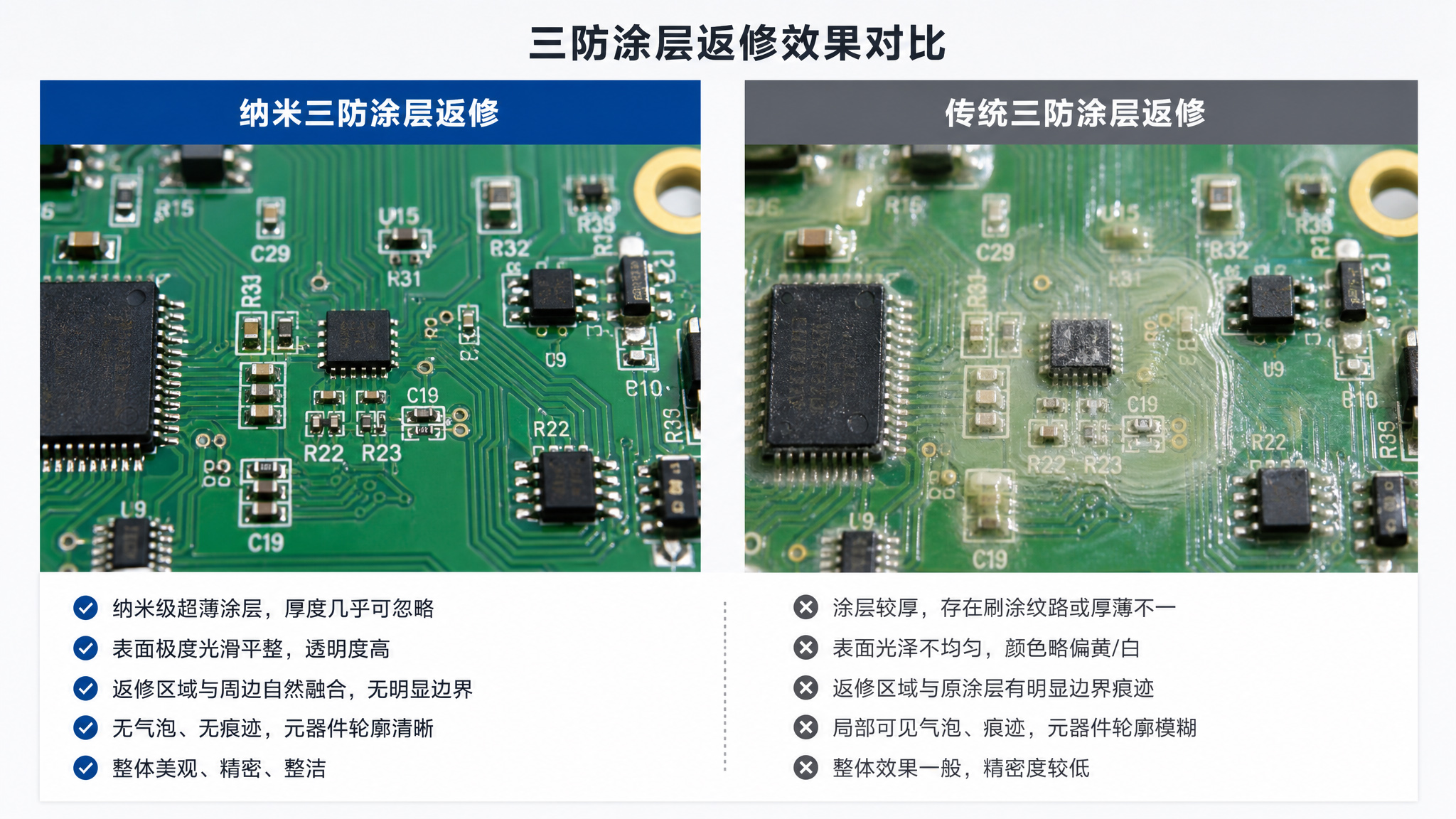
Rework represents an unmissable profit black hole for electronics manufacturers. Each cycle of board disassembly, coating stripping, component repair, deep cleaning, masking, re-coating and prolonged curing accumulates stacked costs for labor, raw materials and production downtime. High rework rates with conventional conformal coating systems continuously eat into corporate profits. Shenzhen Huayi Brothers Nano Conformal Coating streamlines rework workflows from the ground up, drastically cutting substantial hidden repair expenses.
I. Drawbacks of Traditional Conformal Coatings: Where Rework Funds Go to Waste
Full rework workflow for traditional conformal coatings: Fault localization → Full-board / large-area coating stripping → Component repair → Deep PCB cleaning → Masking protection → Recoating → Extended curing.
Coating removal is the biggest cost pain point in the entire process:
- Thick film thickness (50–200 μm) and strong adhesion demand long immersion in highly corrosive solvents or mechanical grinding for stripping.
- Harsh solvents easily corrode precision chips, capacitors and resistors; grinding carries high risks of severing PCB traces, resulting in elevated secondary scrappage rates.
- Mainstream commercial conformal coatings are solvent-based with high VOC content, requiring heavy-duty ventilation systems and full heavy-duty PPE at workstations, driving extra spending on environmental maintenance and safety administration.
- Lengthy curing cycles create long wait times for single-board rework, occupying valuable production line capacity.
To sum up: Traditional rework combines three layers of cumulative costs — excessive material consumption, high scrappage risks, and additional environmental compliance outlays.
II. Nano Coating Reinvented Rework Workflows: Three Core Advantages Solve Critical Pain Points
Shenzhen Huayi Brothers Nano Conformal Coating (film thickness: 0.5–3 μm) eliminates all drawbacks of traditional rework processes via three production-ready cost-saving strengths:
Localized Spot Repair, No Full-Board Stripping Required
The ultra-thin nano film can be selectively dissolved at faulty points via plasma cleaning or dedicated mild solvents, leaving the rest of the PCB’s protective layer intact. After soldering repairs, only localized touch-up coating and curing are needed. This eliminates full-board cleaning and complete recoating, delivering dramatic savings on materials and labor hours.
Dual UV/Low-Temperature Curing, Seconds-Quick Film Formation to Shorten Rework Lead Times
Traditional thermal-cure conformal coatings require hours of curing, while standard UV coatings demand prolonged light exposure. Our nano coating supports instant UV curing and rapid low-temperature thermal curing, achieving surface dryness within seconds at minimum. No long idle waiting during rework, doubling production line turnover efficiency.
Zero-VOC Eco-Friendly Formulation to Cut Workshop Operation Costs
Free of volatile organic compounds and pungent odors, this coating eliminates the need for high-power ventilation equipment at rework stations. Operators no longer require bulky chemical-resistant protective gear, significantly reducing long-term hidden expenses including environmental treatment, PPE supplies and safety inspections.
III. 30% Reduction in Rework Costs: Breakdown of Measurable Economic Benefits
Field test data from mass production lines of automotive electronics and consumer electronics confirms four simultaneous cost reductions after switching to nano conformal coating:
- 40%–50% cut in labor hours Eliminating large-area stripping, lengthy curing and full-board masking slashes single-board rework processing time by half, saving massive labor inputs for the same rework volume.
- Sharply reduced coating material waste Only localized touch-up coating is needed, cutting coating consumption per repair by over 70% compared to full-board recoating, generating remarkable long-term material savings for mass production.
- Markedly lower secondary damage & scrappage rates Two board-damaging operations — harsh solvent immersion and mechanical grinding — are eliminated. The likelihood of damage to PCB traces and precision components drops drastically, raising first-pass rework yield and eradicating scrappage losses caused by repair mishaps.
- Lower environmental compliance & operation costs The zero-VOC formula removes expenses for solvent recovery and waste gas treatment equipment maintenance, avoiding additional charges for environmental rectification and hazardous waste disposal.
Comprehensive cost calculation: For PCBA production lines with standard 3%–5% rework rates, total integrated rework costs can be directly reduced by 30%. Manufacturers of high-volume automotive electronics, smart hardware and industrial control equipment can save hundreds of thousands of RMB in annual repair expenditures.
IV. Conclusion
Most manufacturers only track raw material procurement prices while overlooking massive hidden losses from rework. Instead of sacrificing protective performance to cut costs, nano conformal coating delivers a practical, quantifiable cost-reduction solution for production teams by simplifying rework procedures, minimizing component damage and optimizing environmental operation workflows.
If you wish to calculate actual rework cost savings after switching your production line, contact Shenzhen Huayi Brothers Technology Co., Ltd. We provide free samples for on-site production line evaluation, paired with complete process solutions and customized cost calculation reports.
Nano Conformal Coating: 1μm Thickness Equals 10 Layers of Traditional Coating, Comprehensive Analysis of 8 Core Advantages
Only 1 Micron Thick Yet Delivers 300% Boost in Protection Performance? What Makes Nano Three-Proof Coatings Exceptional
Related Article
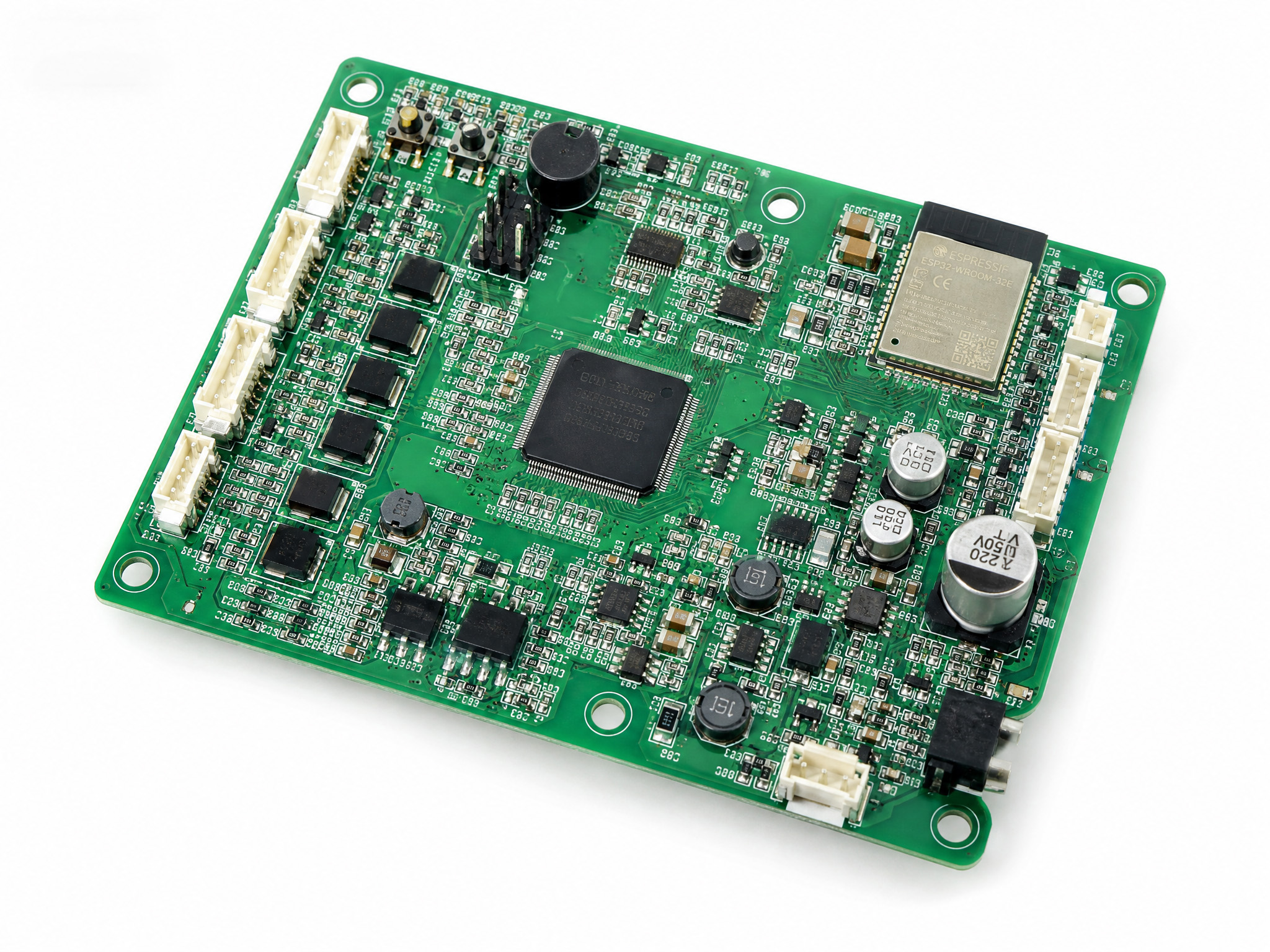
The global market for intelligent robot vacuums is booming, with all-in-one sweeping and mopping products becoming mainstream. However, mopping and hot-air drying induce internal condensation, causing PCBA corrosion and failures. This paper analyzes the exclusive failure modes and explores board-level protection solutions for robot vacuums.
The "Internal Rainy Season" of Robot Vacuum PCBAs: How to Protect Circuit Boards from Condensation in the Mopping Era
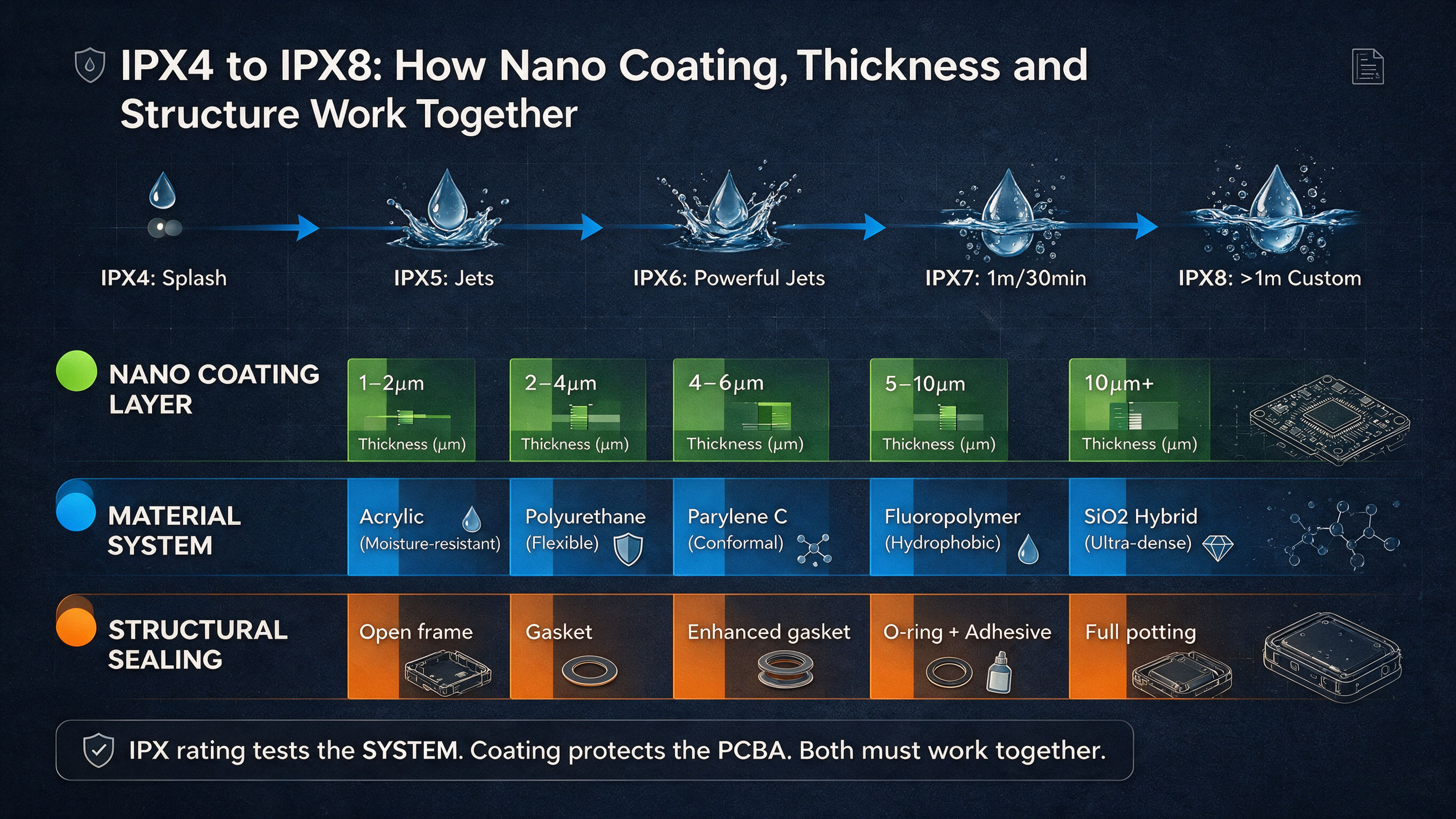
From IPX4 to IPX8, simply applying a thicker coating is not enough — it requires coordinated upgrading of coating film thickness, material system, and structural sealing. This article breaks down the true meaning of each IPX level, explains how the three lines of defense work together, and provides an actionable upgrade roadmap from IPX4 to IPX8.
From IPX4 to IPX8: How Nano Coating Thickness, Material Systems, and Structural Waterproofing Work Together
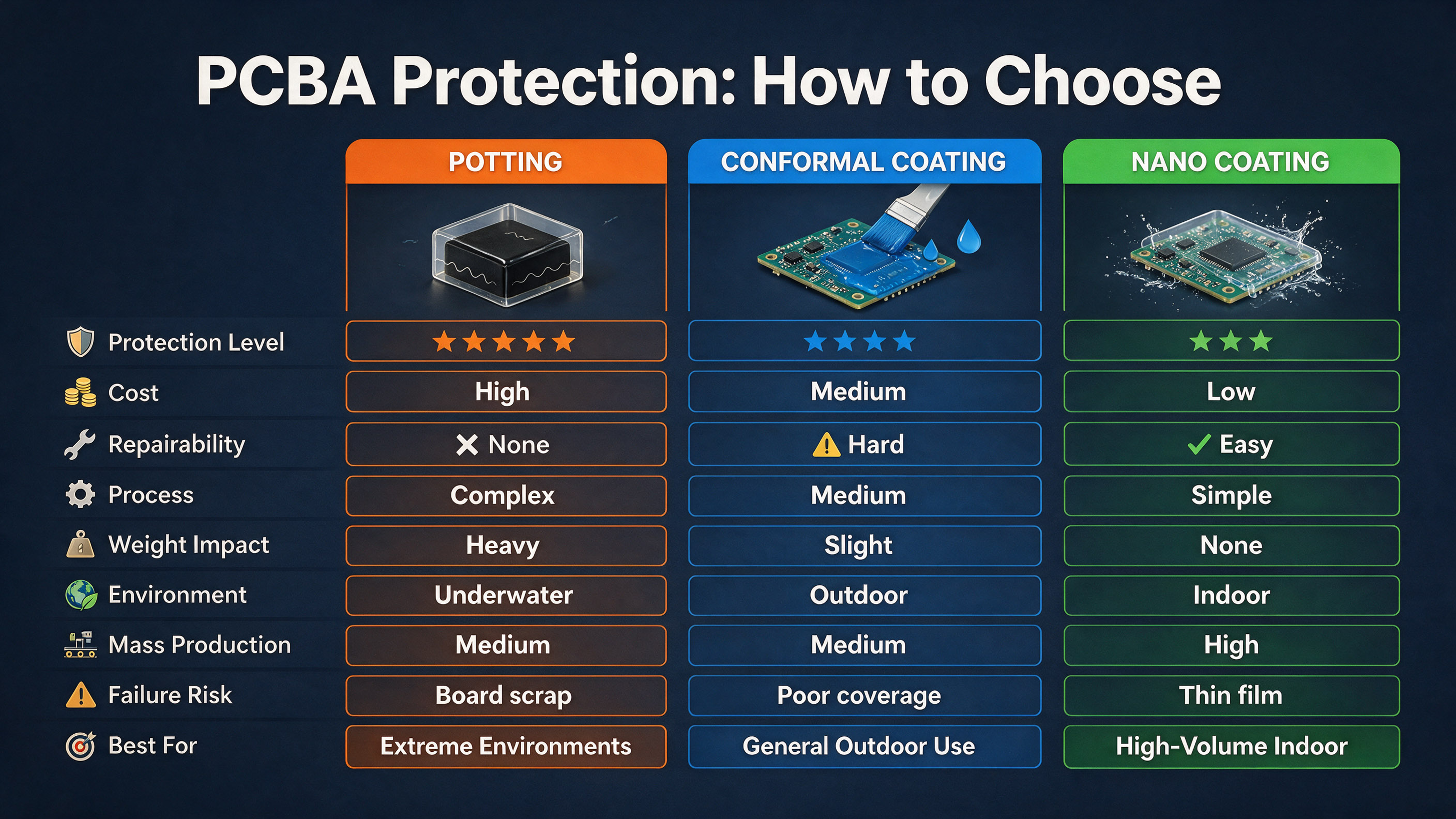
This article systematically compares three mainstream PCBA protection schemes — conformal coating, potting, and nano coating — across four dimensions: the fundamental nature of film thickness, an eight-dimensional comparison, a selection decision framework, and composite solutions. The core message is simple: there is no "best" scheme, only the "best-matched" one.
Potting, Conformal Coating, or Nano Coating? A Clear Comparison of Cost, Repairability, and Reliability
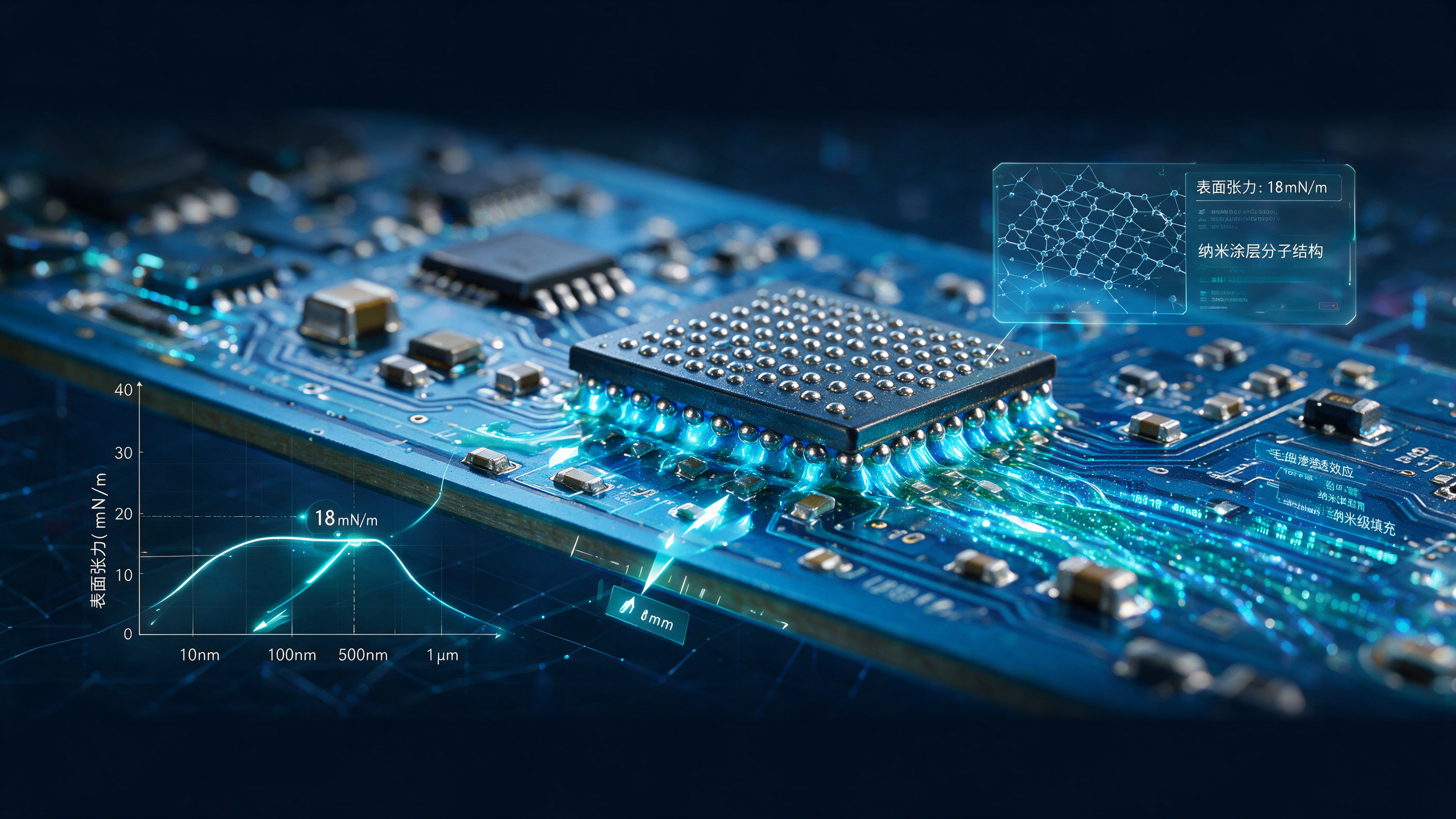
Thanks to its low surface tension for capillary penetration, the nano‑coating can reach traditional coating blind spots such as underneath BGAs and pin gaps of 0201 components, eliminating protection dead zones for PCBs.
Surface Tension as Low as 18 mN/m — Full Analysis of Nano‑Coating "Capillary Penetration" Technology