
Nano Conformal Coating: 1μm Thickness Equals 10 Layers of Traditional Coating, Comprehensive Analysis of 8 Core Advantages
2026-08-04
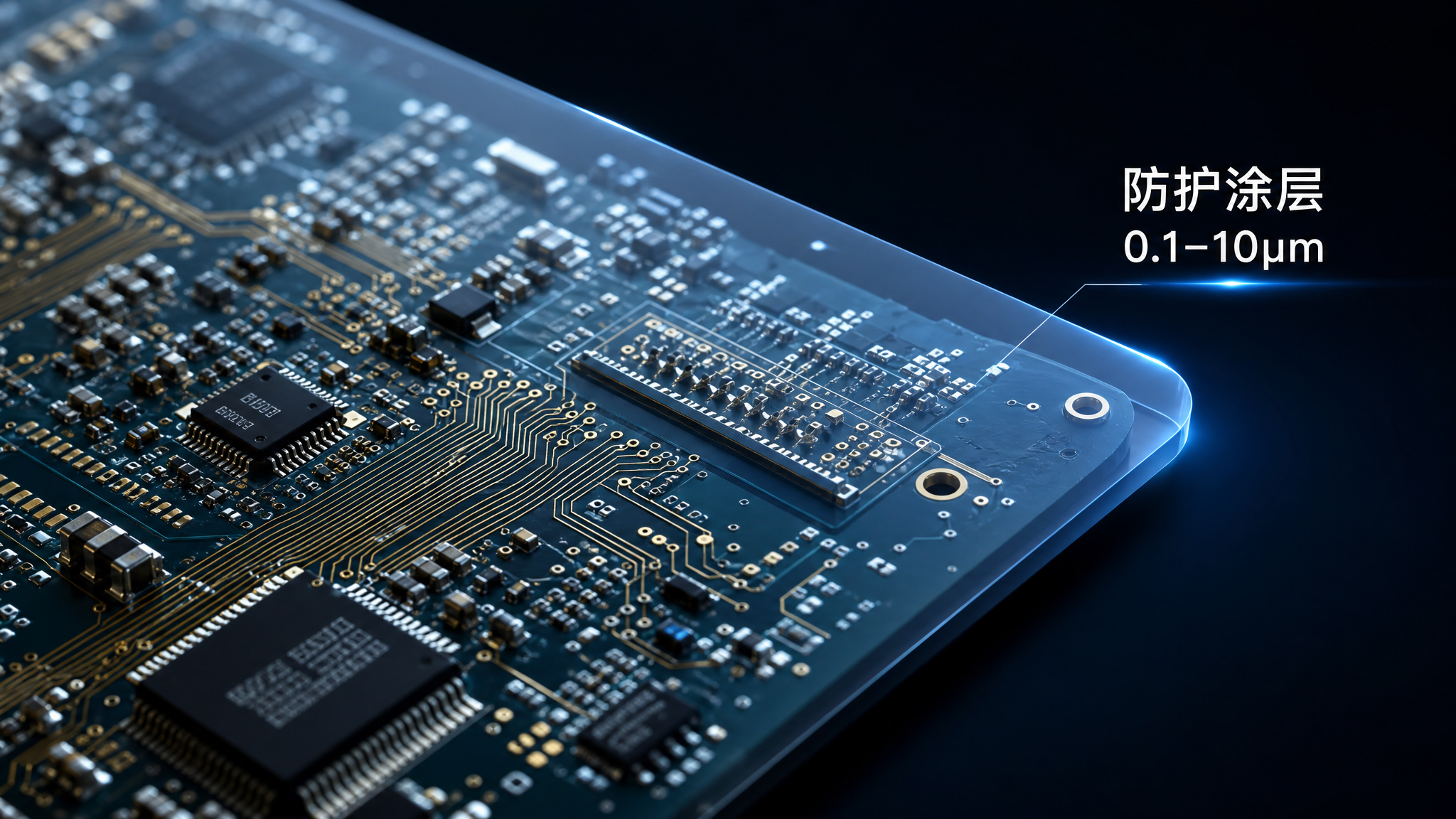
1. Ultra-Thin Thickness: Innovative Protection at 1–10μm
Nano conformal coatings are typically applied at 0.1–10μm, while the standard thickness of traditional conformal coatings ranges from 25–125μm. In other words, nano coatings are only 1/10 to 1/100 as thick. The direct benefits of ultra-thin coating: no impairment to heat dissipation of precision components, no extra dimensional load on pin gaps, and elimination of component stress concentration caused by thick coatings.
For high-density PCBs, traditional conformal coatings may lead to difficult connector plugging & unplugging and poor fitting of heat sinks. Thanks to its ultra-thin property, the nano coating exists nearly "invisibly" on component surfaces without interfering with assembly or signal transmission.
2. Uniform Coverage: Nano-Scale Penetration Without Blind Spots
Benefiting from nano-sized molecules, the coating penetrates micro gaps inaccessible to conventional coatings, including underneath QFP/BGA leads and tiny crevices between 0402/0201 components and PCBs. Restricted by viscosity and surface tension, traditional conformal coatings frequently suffer from uncoated blind zones in such areas. With ultra-low viscosity and outstanding wettability, nano conformal coatings achieve genuine full coverage.
3. Low Surface Energy & High Light Transmittance
The surface energy of nano coatings can be as low as 15–20 mN/m with a water contact angle over 110°, delivering excellent hydrophobic and oleophobic performance. Meanwhile, visible light transmittance exceeds 95%. After coating, component markings remain legible and optical inspection works normally, which is critical for production lines equipped with AOI (Automated Optical Inspection).
4. Fast Curing & Environmental Compliance
Certain nano coating variants achieve surface dry within 10–30 minutes at ambient temperature; UV-curable grades realize instant curing, greatly shortening production cycle time. Moreover, most nano conformal coatings adopt water-based or solvent-free formulations with far lower VOC emissions than traditional solvent-borne conformal coatings, complying with environmental directives including RoHS and REACH.
5. Reworkability & Solder Compatibility
Owing to its ultra-thin film, the nano coating can be directly penetrated under soldering temperatures, enabling rework without prior coating removal. Selected grades can also be stripped via dedicated solvents or thermal peeling, without damaging PCBs and electronic components during rework.
Conclusion
Featuring ultra-thin film, uniform penetration, rapid curing and eco-friendly performance, the eight core strengths make nano conformal coating an ideal protective solution for precision electronics. Shenzhen Huayi Brothers Technology Co., Ltd. specializes in the R&D and application of nano conformal coating technology. Our coating series has passed numerous reliability tests. Please contact our technical team if you require detailed technical specifications or wish to request sample evaluation.
Pre-Coating Mandatory Operations: PCB Cleaning, Drying, Temperature & Humidity Control — 7 Critical Preparation Steps Prior to Nano-Conformal Coating Application
Cut Rework Costs by 30%: Nano Conformal Coating Wins Over R&D & Production Engineers
Related Article
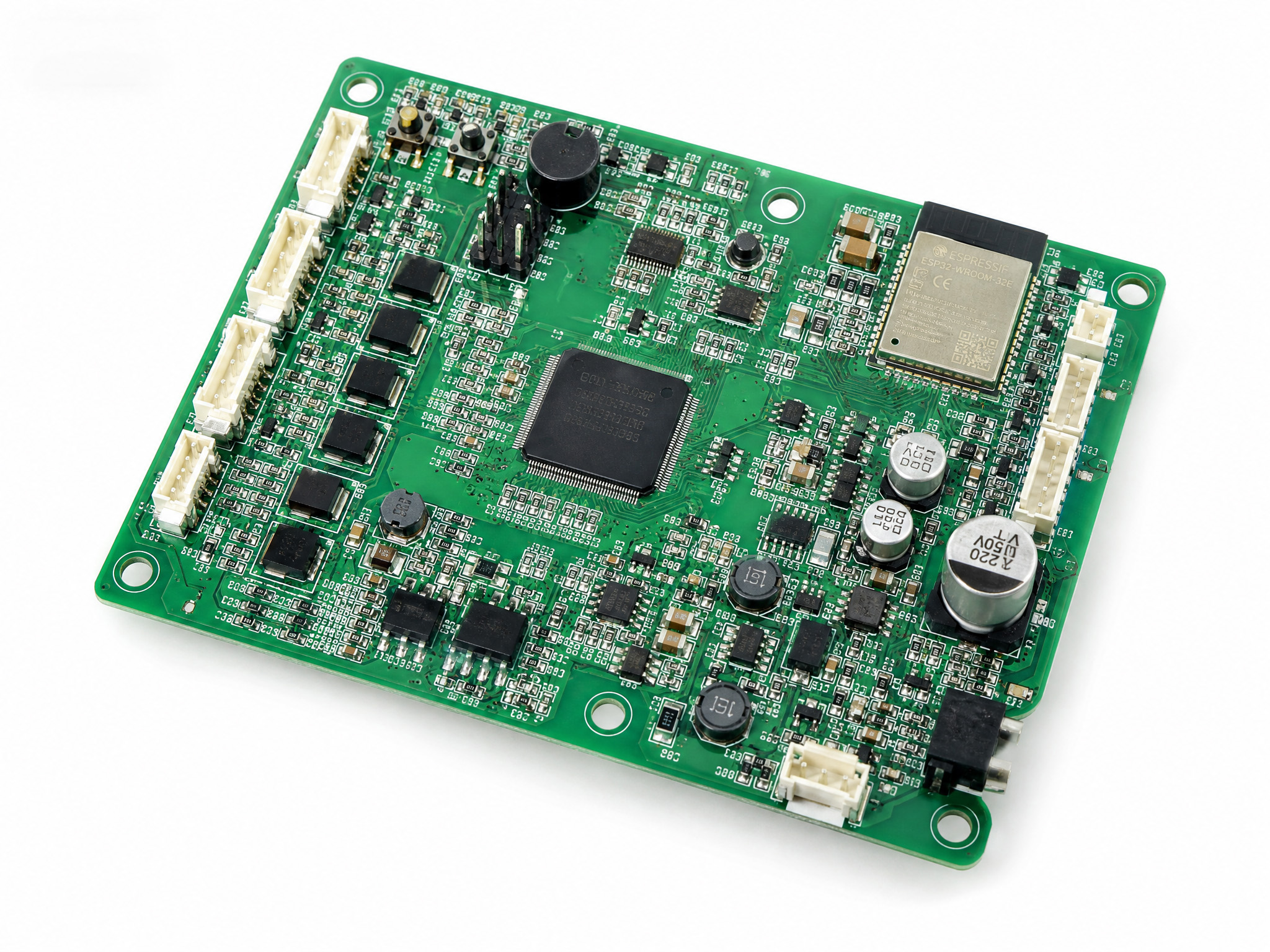
The global market for intelligent robot vacuums is booming, with all-in-one sweeping and mopping products becoming mainstream. However, mopping and hot-air drying induce internal condensation, causing PCBA corrosion and failures. This paper analyzes the exclusive failure modes and explores board-level protection solutions for robot vacuums.
The "Internal Rainy Season" of Robot Vacuum PCBAs: How to Protect Circuit Boards from Condensation in the Mopping Era
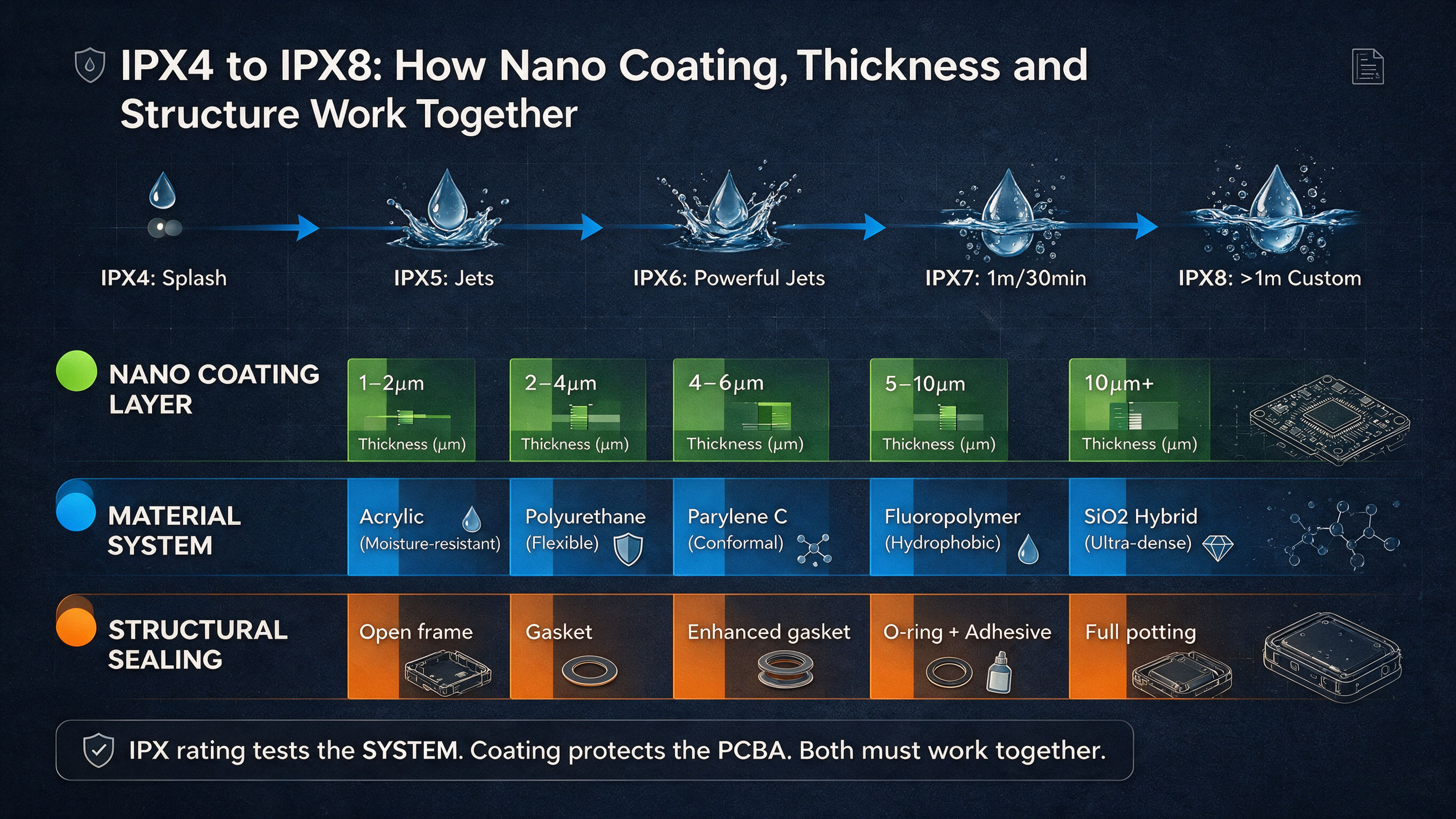
From IPX4 to IPX8, simply applying a thicker coating is not enough — it requires coordinated upgrading of coating film thickness, material system, and structural sealing. This article breaks down the true meaning of each IPX level, explains how the three lines of defense work together, and provides an actionable upgrade roadmap from IPX4 to IPX8.
From IPX4 to IPX8: How Nano Coating Thickness, Material Systems, and Structural Waterproofing Work Together
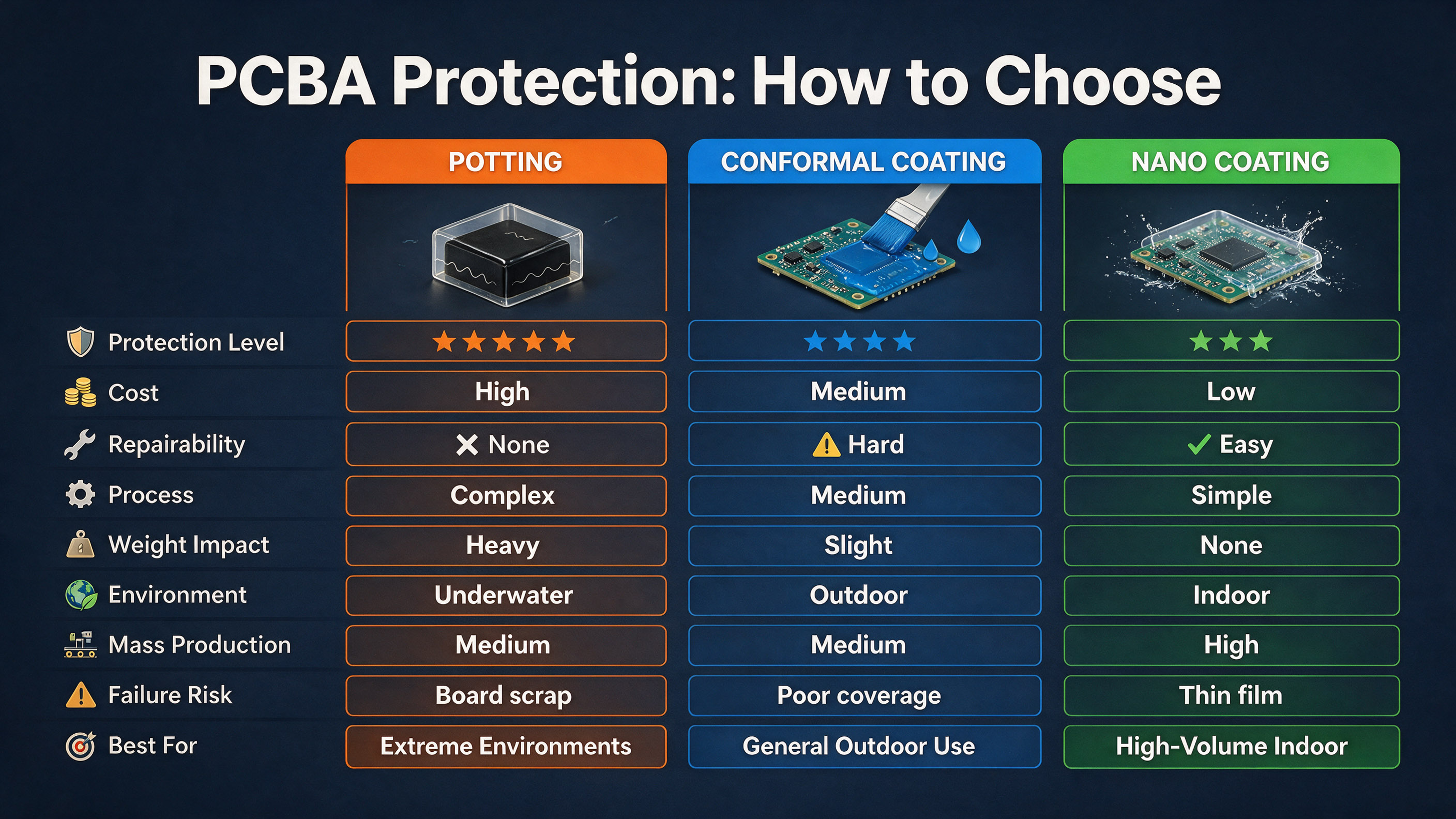
This article systematically compares three mainstream PCBA protection schemes — conformal coating, potting, and nano coating — across four dimensions: the fundamental nature of film thickness, an eight-dimensional comparison, a selection decision framework, and composite solutions. The core message is simple: there is no "best" scheme, only the "best-matched" one.
Potting, Conformal Coating, or Nano Coating? A Clear Comparison of Cost, Repairability, and Reliability
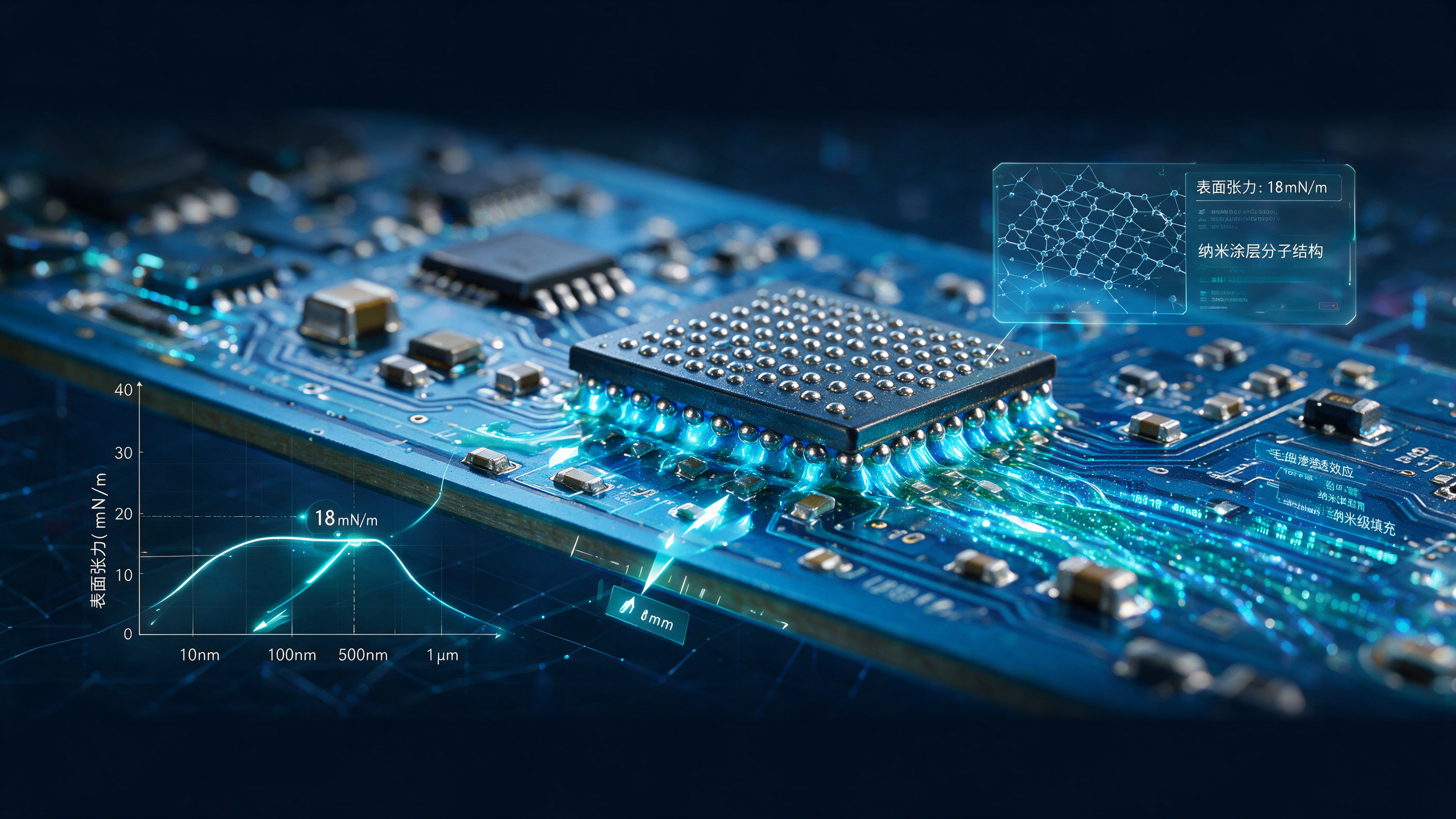
Thanks to its low surface tension for capillary penetration, the nano‑coating can reach traditional coating blind spots such as underneath BGAs and pin gaps of 0201 components, eliminating protection dead zones for PCBs.
Surface Tension as Low as 18 mN/m — Full Analysis of Nano‑Coating "Capillary Penetration" Technology